‘We wish you’d die of a slow death’: US officials wedged between data center giants and local…

This tension, which has escalated significantly throughout 2026, centers on the massive physical footprint required by the modern AI industry. As tech conglomerates and specialized developers race to secure prime real estate, they are fundamentally altering the character of rural landscapes, triggering a volatile mix of security threats against public servants and intense debates over the future of agricultural land.
A Chronology of Escalating Hostility
The conflict began to surface in early 2025 as the post-pandemic "AI gold rush" accelerated. Initially, the concerns were confined to standard zoning disputes and environmental impact assessments. However, as the scale of proposed facilities grew from standard server farms to massive, power-hungry AI clusters, the discourse shifted from boardroom negotiations to town hall confrontations.
By the second quarter of 2026, the situation reached a critical juncture. In Michigan, the proposed partnership between Oracle and OpenAI catalyzed significant unrest. Local township officials in Saline Township reported receiving a deluge of death threats following their support of infrastructure proposals. Kelly Marion, the township clerk, noted that the tenor of the opposition had transcended civil debate, with recorded messages explicitly wishing for the deaths of those involved in the approval process.
Similar patterns emerged in other jurisdictions. In Box Elder County, Utah, commissioners were targeted by aggressive harassment campaigns following their decision to greenlight development resolutions. Meanwhile, in Marshall, Michigan, the mere discussion of zoning restrictions became a flashpoint, leading to threats against council members. The volatility reached a point in Salix, Iowa, where local authorities were forced to postpone a scheduled vote indefinitely after intelligence regarding threatening social media activity suggested an imminent risk to public safety.
The Economic Engine: Land Values and Agricultural Displacement
At the heart of the physical conflict lies a massive shift in land valuation. Data center developers are no longer simply buying industrial plots; they are aggressively targeting fertile, high-utility agricultural land. According to data from the commercial property firm Avison Young, the volume of land acquisitions specifically for data centers reached an estimated $6 billion during the first half of 2026 alone. This represents a 79% year-over-year increase, signaling a aggressive land grab that shows few signs of abating.
This surge has created a distorted market. Because AI infrastructure firms operate with capital budgets that dwarf those of traditional agricultural or residential developers, they are capable of outbidding local interests by astronomical margins. Texas Agriculture Commissioner Sid Miller has been a vocal critic of this trend, highlighting that developers are frequently offering farmers prices upwards of ten times the appraised agricultural value. While this presents an immediate financial windfall for individual landowners, it creates a long-term erosion of regional food security and agricultural heritage.
The National Association of Home Builders has similarly raised the alarm, noting that the competitive advantage held by data center developers is making it increasingly difficult for residential housing projects to secure land. As supply dwindles and prices spike to the tune of millions of dollars per acre in regions with robust grid access—most notably in Northern Virginia—the ability for local communities to maintain affordable housing and traditional economic structures is being severely compromised.
Infrastructure Burdens and Environmental Concerns
Beyond the immediate land-use conflicts, residents are increasingly wary of the cumulative impact these facilities have on public utilities. Modern AI data centers are uniquely demanding in two critical areas: electrical power and water consumption.
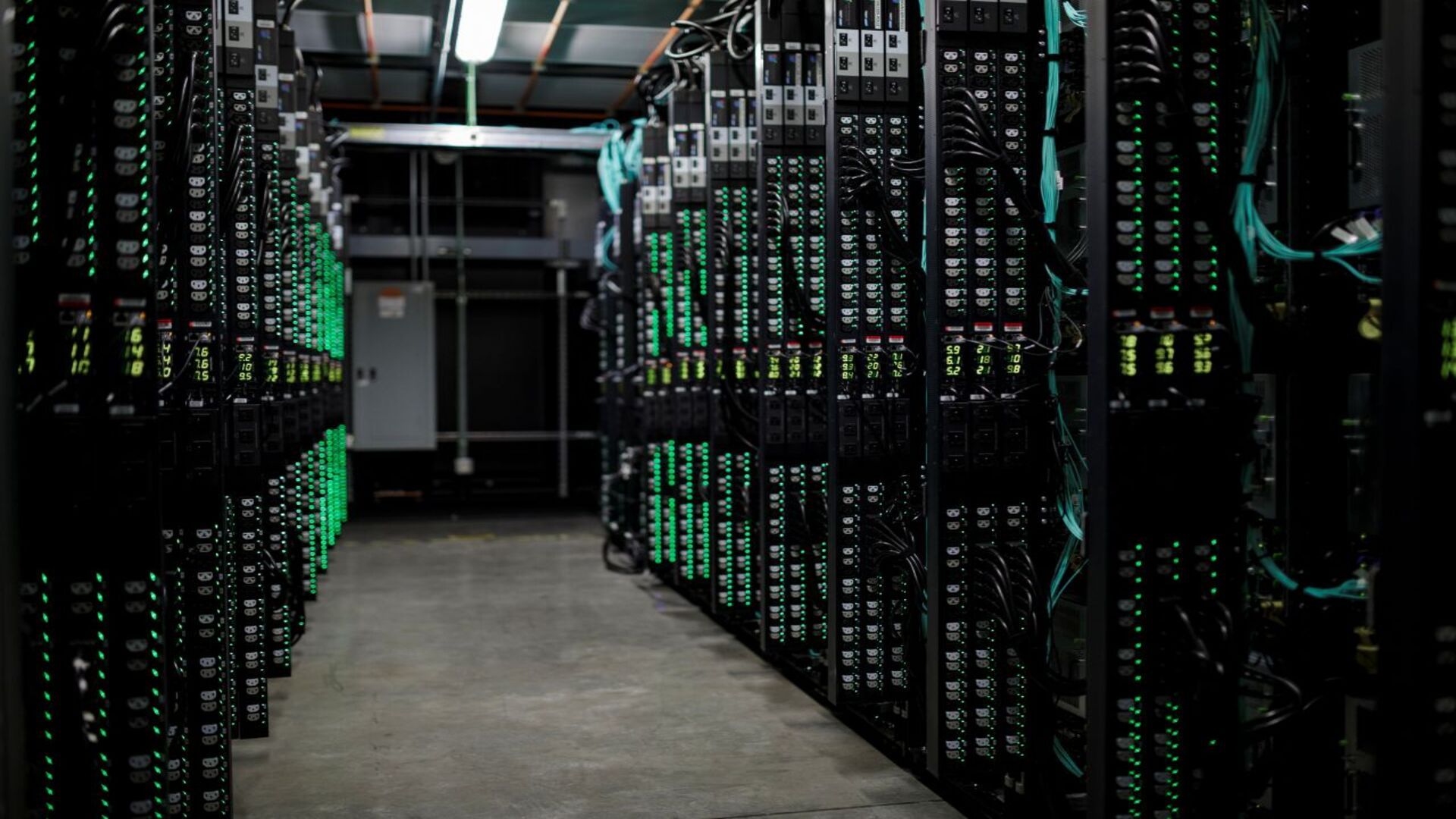
Data centers rely on consistent, high-voltage power grids to maintain operations 24/7. In many rural counties, the existing electrical infrastructure was never designed to support the load of a large-scale computing facility. This often necessitates expensive upgrades that local residents fear will be subsidized through increased utility rates. Furthermore, the cooling systems required to regulate server temperatures consume massive quantities of water, raising alarms in regions already grappling with drought or water scarcity.
The intersection of these concerns has led to a surge in protective legislation. Across the United States, hundreds of local measures have been introduced in 2026, ranging from temporary moratoriums on new construction to the permanent rezoning of land to protect it from industrial development. These legislative efforts are the direct byproduct of a breakdown in communication between tech developers, who often prioritize speed-to-market, and local stakeholders, who prioritize the long-term viability of their communities.
Analysis of Implications: The AI-Rural Divide
The ongoing conflict serves as a microcosm of the broader challenges associated with the AI transition. While the industry is framed as a driver of global innovation, its physical manifestations are inherently localized and resource-intensive. The "digital" nature of AI hides the fact that its existence depends on tangible, finite resources: land, water, and power.
Political analysts note that the current backlash poses a significant risk to the future of AI expansion. If tech companies fail to establish a "social license to operate," they may find themselves increasingly locked out of viable sites. Investment banks, including those monitoring the tech sector, have warned that sustained political opposition and the potential for civil unrest could lead to significant project delays and increased regulatory costs, ultimately impacting the bottom line of the major players in the AI space.
For the officials in the crosshairs, the challenge is balancing economic development—which can provide a tax base for schools and public services—against the preservation of the community’s character and the safety of their own families. The current climate suggests that without a shift toward more transparent, community-integrated development models, the friction between AI infrastructure and local populations will only intensify.
The Path Forward
The situation remains fluid. Many state legislatures are now debating whether to intervene by preempting local zoning authority to fast-track data center construction, arguing that these facilities are critical for national security and the future of the American economy. However, such top-down approaches risk further alienating rural communities and could potentially exacerbate the existing hostility.
A more sustainable path forward, according to industry experts, may lie in the development of "integrated utility planning." This would involve tech companies partnering with local governments to upgrade regional infrastructure for the benefit of all, rather than solely for the data center’s consumption. By investing in renewable energy projects or water reclamation systems that serve the broader community, developers may be able to mitigate some of the resentment currently driving the resistance.
Until such a paradigm shift occurs, the tension between the high-tech aspirations of Silicon Valley and the grounded reality of rural America is likely to persist. The events of 2026 have made one thing clear: the physical expansion of the AI revolution will not be a seamless process. It is a complex negotiation of resources, values, and power that will continue to challenge the resilience of local governance and the public’s tolerance for the rapid, industrial-scale deployment of new technologies. As the demand for computing power continues to climb, the ability of both public officials and private industry to navigate these conflicts will define the next chapter of American infrastructure development.